Our heritage

The history of Horbury, Wakefield

From a Domesday village called Orberie to the home town of Georgian architect John Carr, discover the history of Horbury, Wakefield — its halls, churches, industries and people.

From “Orberie” to market village

Horbury appears in the Domesday survey of 1086 under the name Orberie. Several medieval and early buildings still shape the town: the timber-framed Horbury Hall on Church Street, and Nether Hall on Cluntergate, which is now the Shepherds Arms. Around Tithe Barn Street you can still find traces of the old tithe barn and the little stone lock-up known as the “kidcote”, which stands near an 18th-century Sunday School.
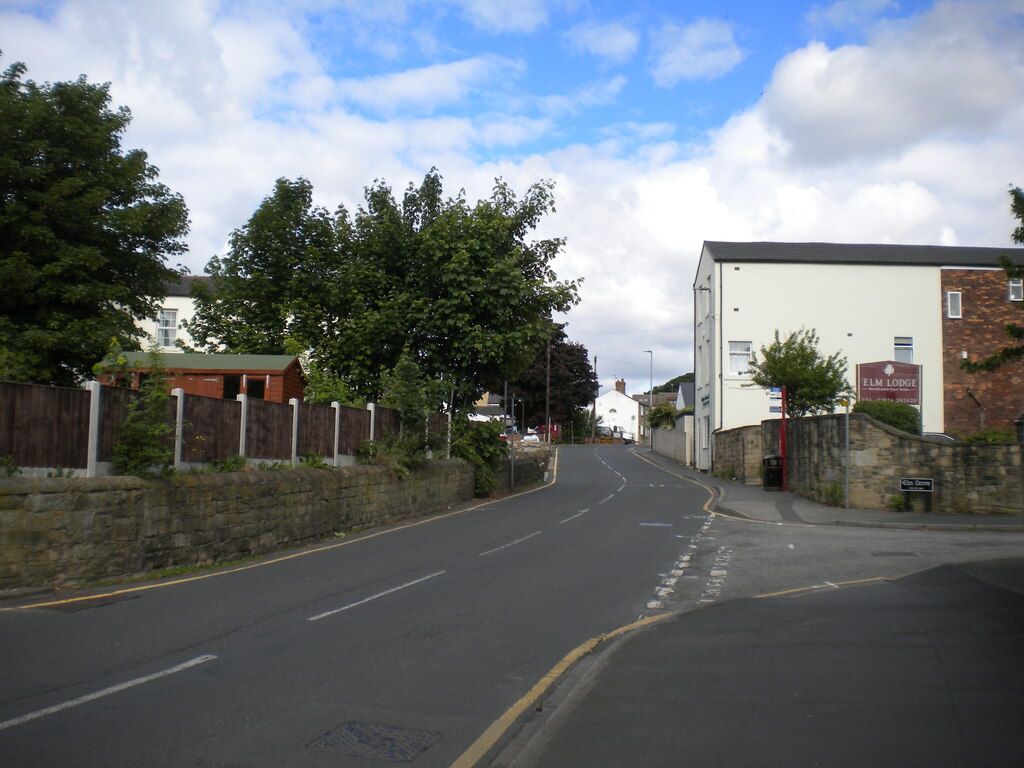
Cluntergate, Horbury
Photo: Richard Vince, geograph.org.uk (Creative Commons)

Timeline

1086

Domesday

Horbury is recorded in the Domesday survey as “Orberie”.
1653

Common Lands Trust

The Horbury Common Lands Trust is inaugurated by Sir Gervase Clifton, a body that still carries its name today.
1723 – 1807

John Carr

Georgian architect John Carr is born in Horbury and goes on to be Lord Mayor of York. He pays for the church of St Peter & St Leonard, where he is buried.
1858

House of Mercy

The Victorian House of Mercy opens — described as the first religious community founded in northern England since the Reformation — and later becomes St Peter’s Convent.
1949

St Hilda’s

The convent opens a private preparatory school, St Hilda’s, on its grounds.
20th century

Industry and sport

Engineering, wagon repair, sports equipment and wool firms make Horbury a working town, with names such as Slazenger and Charles Roberts.
St Peter and St Leonard church, Horbury
Photo: Tim Green, CC BY 2.0 (Creative Commons)

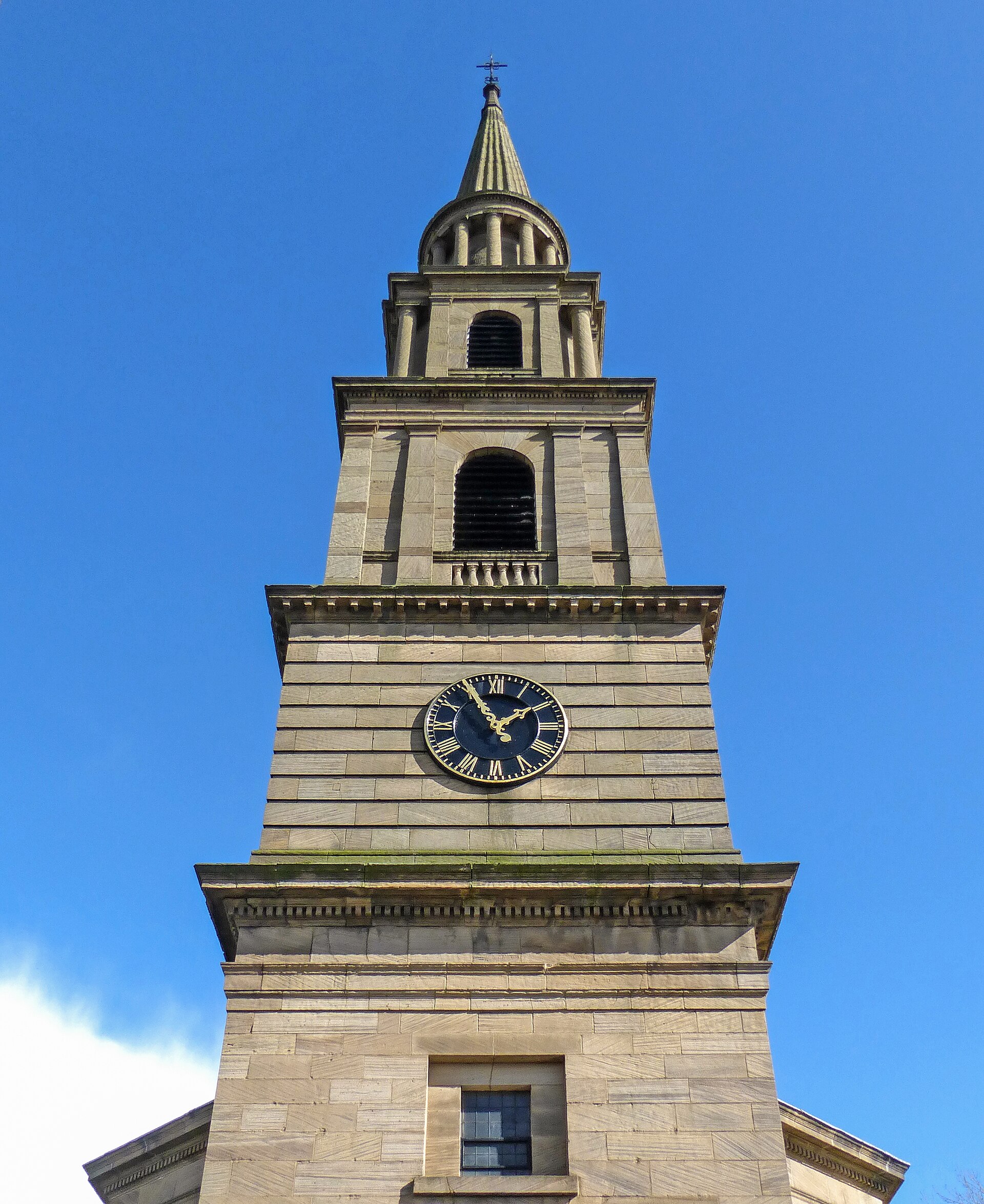
John Carr and the parish church

Horbury’s best-known son, John Carr (1723–1807), became one of Georgian England’s leading architects. He gave the town its parish church of St Peter & St Leonard, which also serves as his mausoleum and can be visited on special occasions. Carr also left his mark nearby: Carr Lodge (formerly Sunroyd House) is an 18th-century Georgian house in the town.

Notable people

Architect

John Carr (1723–1807)

Georgian architect, born in Horbury, who designed buildings across the north of England.
Author

Stan Barstow

Novelist born in Horbury, best known for A Kind of Loving; his novel Joby was filmed in the town.
Hymn writer

Sabine Baring-Gould

The Rev. Baring-Gould (1834–1924) married a Horbury woman and wrote the words of “Onward, Christian Soldiers”.
Music

David Turton & William Baines

Composer and musician names linked with Horbury: David Turton (1768–1846) and William Baines (1899–1922).
Community

Local societies

The Civic Society, Heritage Trust and the Horbury & District Historical Society all work to keep the town’s story alive.

Learn more

This page is a short summary based on the Horbury Village website’s history section. For maps, a town-centre trail and much more detail, see: